
Understanding Italian Ceramics: A Historical Perspective
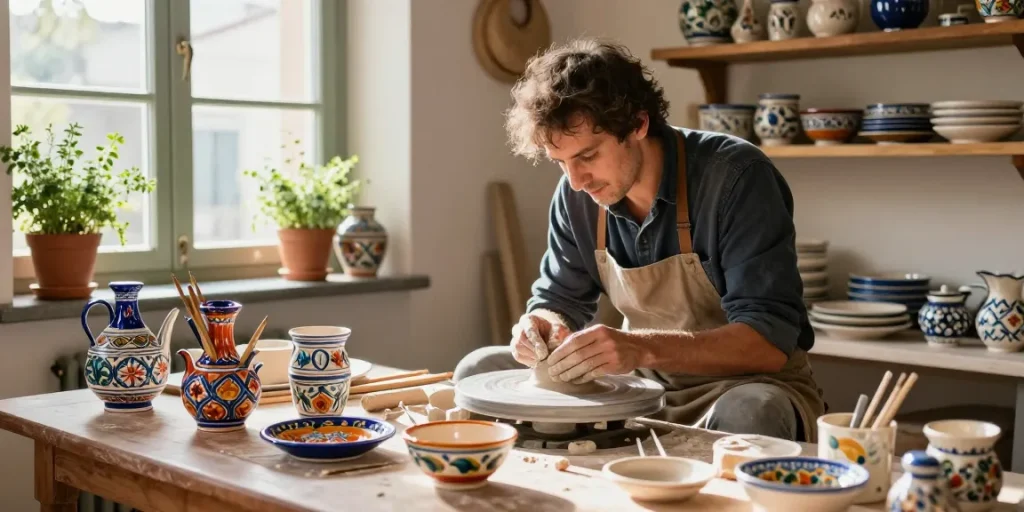
Italian ceramics are not merely decorative items; they are a testament to centuries of artistry, tradition, and craftsmanship. Originating from a rich cultural heritage, these ceramics reflect the unique characteristics of the regions in which they are made, particularly focusing on the renowned Deruta ceramics. With vibrant colors, intricate designs, and durable materials, Italian ceramics hold a prominent place in both historical contexts and modern-day homes. When exploring options, Italian Ceramics provide comprehensive insights into the authenticity and quality these products boast.
What Are Italian Ceramics?
Italian ceramics encompass a wide range of pottery styles and techniques, characterized by their unique glazes, vibrant colors, and elaborate decorations. They are crafted using traditional methods passed down through generations, each piece telling its own story. From functional dishware to ornamental pieces, Italian ceramics capture the essence of Italian culture and artistry.
The Historical Significance of Deruta Ceramics
Deruta, a small town in central Italy, is particularly famous for its ceramics. The history of Deruta ceramics dates back to the 15th century when artisans began experimenting with tin-glazed pottery. This technique allowed for the creation of bright, colorful designs that became synonymous with the region. Deruta ceramics often feature motifs inspired by nature, mythology, and religious themes, making them not only functional but also significant cultural artifacts.
Evolution of Italian Ceramics Techniques
Over the centuries, various techniques have evolved in the production of Italian ceramics. The Majolica technique, which involves a tin glaze followed by hand-painted decorations, remains one of the most popular methods. This process allows artisans to create vivid colors and intricate designs on their ceramics, resulting in one-of-a-kind pieces. Additionally, the influence of modern technology has led to innovations in glazing and firing techniques, enhancing durability while preserving traditional designs.
Key Characteristics of High-Quality Italian Ceramics
Identifying high-quality Italian ceramics can be pivotal for collectors and enthusiasts alike. The charm of these pieces lies in their craftsmanship, materials, and designs. Understanding these characteristics can help buyers discern authentic items from mass-produced imitations.
Materials Used in Authentic Italian Ceramics
Authentic Italian ceramics are made from high-quality natural clay, often sourced locally. This clay is known for its plasticity, allowing artisans to mold intricate shapes and forms. The glazing process typically uses non-toxic, food-safe materials, ensuring that the ceramics can be used for both decorative and functional purposes.
Identifying Quality Craftsmanship in Ceramics
When assessing the craftsmanship of Italian ceramics, there are several indicators to consider:
- Finish: High-quality ceramics should have a smooth, even glaze without any imperfections.
- Decoration: Look for vibrant colors and intricate patterns that are consistent and well-executed.
- Weight: Authentic ceramics often have a significant weight, indicating the density of the clay used.
- Brand Markings: Many reputable artisans and brands will include markings or stamps for authenticity.
Popular Styles and Patterns in Italian Ceramics
Italian ceramics exhibit a variety of styles and patterns, often influenced by regional aesthetics. Some of the most popular styles include:
- Deruta Style: Known for its ornate designs and vibrant colors, often featuring floral and geometric patterns.
- Maiolica: This style features intricate, hand-painted decorations often depicting mythological or historical scenes.
- Renaissance Style: Characterized by classical themes and muted colors, reminiscent of the art and culture of the Renaissance era.
- Contemporary Styles: Modern interpretations that incorporate minimalist designs while maintaining the essence of traditional Italian ceramics.
How to Choose the Right Italian Ceramics for Your Home
Selecting suitable Italian ceramics for your home involves understanding your aesthetic preferences and functional needs. The right pieces can enhance your decor while reflecting your personal style.
Matching Ceramics to Your Interior Design Style
Consider your existing interior design style when selecting ceramics. For modern homes, sleek, minimalist designs in neutral tones can create a sophisticated look. In contrast, traditional Italian ceramics with vibrant colors and intricate patterns can add warmth and character to rustic or country-style homes. Mixing styles can also be a powerful way to create an eclectic look that feels curated and intentional.
Considerations When Purchasing Italian Ceramics
When buying Italian ceramics, take the following factors into account:
- Purpose: Determine whether the ceramics will be used for display, dining, or gifting.
- Size: Consider the scale of the pieces in relation to your space.
- Authenticity: Ensure that the ceramics are genuine and sourced from reputable artisans or vendors.
Buying Italian Ceramics: What to Look for?
When purchasing Italian ceramics, look for the following key elements:
- Warranty: Reputable sellers often provide warranties assuring the quality of their products.
- Customer Reviews: Insights from other buyers can provide valuable information on the quality and authenticity of the ceramics.
- Return Policy: A flexible return policy is beneficial in case the item does not meet your expectations.
Care and Maintenance for Italian Ceramics
To keep your Italian ceramics looking their best, proper care and maintenance are essential. Following these guidelines can enhance the longevity and beauty of your pieces.
Cleaning and Care Tips for Longevity
Cleaning your ceramics should be done gently to prevent damage. Avoid harsh chemicals and abrasive materials. Instead, use warm, soapy water and a soft sponge for cleaning. For stubborn stains, a mixture of baking soda and water can be effective.
Preventing Damage to Your Ceramics
To prevent chipping or cracking, handle your ceramics with care, and avoid placing them in extreme temperature variations. Storing them in a padded environment can also minimize risks during transport or storage.
Restoration Techniques for Vintage Italian Ceramics
If you have vintage pieces that require restoration, consider consulting a professional conservator. They can provide specialized care for repairing cracks or chips without compromising the integrity of the piece. In some cases, home restoration techniques, such as using a clear epoxy for minor repairs, can be effective, but caution is advised.
The Future of Italian Ceramics in 2026 and Beyond
The landscape of Italian ceramics is constantly evolving, with trends shifting to meet both aesthetic desires and ecological considerations. As we look towards 2026 and beyond, several key trends are emerging.
Trends in Italian Ceramics for Modern Homes
Modern homeowners are increasingly leaning towards sustainable practices and locally sourced materials. Expect to see a surge in the popularity of eco-friendly ceramics made with organic clays and glazes that reduce environmental impact. Additionally, minimalist designs that highlight the natural beauty of the clay are gaining traction.
Sustainable Practices in Ceramics Production
Artisans are beginning to adopt sustainable practices in their production processes, such as using renewable energy sources and recycling water during manufacturing. The focus on sustainability caters to environmentally conscious consumers seeking to reduce their carbon footprint while enjoying high-quality products.
How Technology Is Influencing Ceramic Design
Technology is playing an increasingly significant role in the design and production of ceramics. Innovations such as 3D printing are allowing artisans to experiment with new shapes and forms previously unattainable with traditional techniques. Furthermore, digital printing technologies enable the creation of intricate designs that remain consistent across multiple items.
What are the most popular types of Italian Ceramics?
The most popular types of Italian ceramics include functional dinnerware, decorative tiles, and unique art pieces. The Deruta style, with its rich history and vibrant designs, is especially favored for both its beauty and practicality.
How can I identify authentic Italian Ceramics?
Authentic Italian ceramics can typically be identified by their craftsmanship, markings from reputable artisans, and their distinctive glazes. Researching the specific styles and characteristics of different regions can also aid in identification.
Are Italian Ceramics dishwasher safe?
While some modern Italian ceramics are designed to be dishwasher safe, many traditional pieces should be hand washed to preserve their integrity and finish. Always check the manufacturer’s guidelines before cleaning.
What should I consider before buying Italian Ceramics?
Consider factors such as the intended use, authenticity, aesthetic appeal, and any specific care instructions associated with the ceramics before making a purchase. Understanding these factors can help ensure that you make an informed decision.
How do I maintain my Italian Ceramics for longevity?
Maintaining your Italian ceramics involves regular gentle cleaning, proper storage to avoid damage, and using them as intended. Following these guidelines will help preserve their beauty for years to come.