Understanding IPTV: The Future of Television
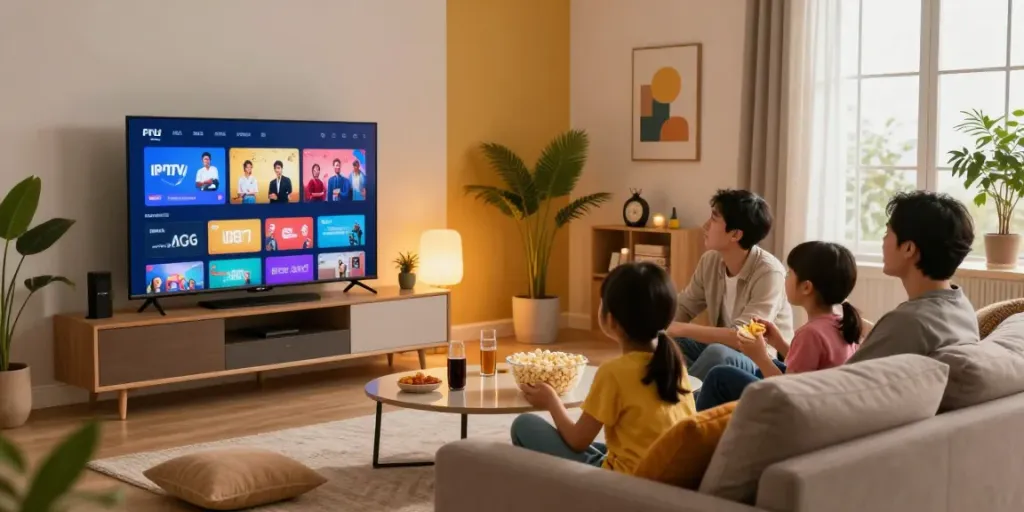
As we move further into the digital age, the way we consume television is undergoing a dramatic transformation. Internet Protocol Television (IPTV) has emerged as a revolutionary alternative to traditional cable and satellite TV services. By utilizing internet connections to deliver TV programming, IPTV allows for a more dynamic, flexible, and user-friendly viewing experience. Whether you're streaming live sports or binge-watching the latest series, IPTV is quickly becoming the preferred choice for millions.
What is IPTV and How Does it Work?
IPTV stands for Internet Protocol Television, a technology that allows you to watch television programming through your internet connection instead of traditional terrestrial, satellite, or cable formats. Essentially, this service utilizes the same internet protocol that powers the web, sending television signals through bandwidth allocations. Unlike conventional broadcast systems, IPTV delivers content directly to your device via a decoder, allowing for on-demand viewing of your favorite shows, movies, and live broadcasts.
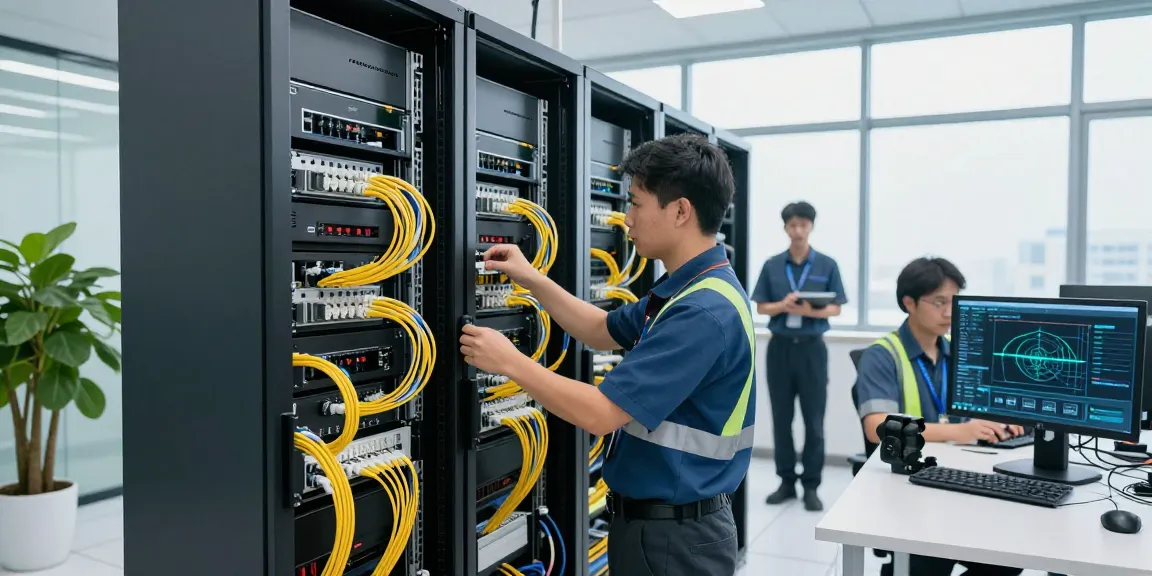
The technology functions through a series of components, including a media server, a content delivery network, and a client-side application or device. Users can access IPTV services through various devices, including smart TVs, set-top boxes, smartphones, and tablets. The reliability of IPTV is facilitated by robust internet connections, often requiring a minimum speed to ensure high-quality streaming.
Key Differences Between IPTV and Traditional TV
One of the most significant differences between IPTV and traditional television lies in their delivery methods. Traditional television relies on broadcast signals or physical cables to transmit channels, while IPTV utilizes the internet, allowing for greater flexibility and customization. Here are some key distinctions:
- Content Variety: IPTV typically offers a broader range of channels, including niche programming that might not be available through conventional providers.
- Interactivity: With IPTV, viewers can interact with the content, pausing, rewinding, or even selecting episodes on-demand, features that traditional TV cannot always provide.
- Cost-Effectiveness: Many IPTV services come at a lower price point than traditional cable, often with no contracts and the option to pay monthly.
The Benefits of Switching to IPTV Services
Making the switch to IPTV offers numerous advantages for consumers. Here are a few benefits that illustrate why so many are abandoning traditional television:
- Flexible Viewing: Watch content on any device, anywhere, at any time, as long as you have an internet connection.
- Personalization: IPTV services often allow you to create your own channel lineup, tailoring programming to your preferences.
- Enhanced Features: Many IPTV platforms come with features such as catch-up TV, DVR functionalities, and multi-screen viewing options.
Top IPTV Providers in 2026
As the industry continues to evolve, several IPTV providers have emerged as leaders in quality and service. But with so many options available, choosing the right one can be daunting. Here, we break down some of the best IPTV providers for the upcoming year.
Comparing Key Features of Leading IPTV Services
When selecting an IPTV service, it’s essential to evaluate the various features each provider offers. Common factors include:
- Channel Selection: Look for services that offer a diverse range of channels, including local and international programming.
- Video Quality: Ensure the provider supports HD and 4K streaming options for an enhanced viewing experience.
- Multi-Device Support: Check if the IPTV service can be accessed on multiple devices simultaneously, accommodating family needs.
Pricing Models: What You Need to Know
The pricing structure of IPTV services can vary significantly. Many providers offer tiered pricing based on the number of channels, quality of service, and additional features. Some services provide free trials, allowing you to test the product before fully committing. Monthly subscriptions typically range from $10 to $60, depending on the extent of the channel offerings and additional features like VOD (Video on Demand) access.
Customer Reviews: Real Experiences with IPTV Providers
Before making a decision, it can be helpful to read customer reviews and experiences with various IPTV providers. Many users share insights regarding service reliability, customer support responsiveness, and overall satisfaction. Look for platforms that maintain high ratings and consistently receive positive feedback.
Choosing the Right IPTV Package for Your Needs
Selecting the most suitable IPTV package requires consideration of your specific viewing habits and preferences. Different packages can cater to varying audiences, from sports enthusiasts to families.
Understanding Different IPTV Subscription Types
IPTV subscriptions often fall into a few categories, including:
- Live TV Packages: Deliver real-time programming, including news and sports.
- Video on Demand: Allow users to access a library of content whenever they want, without being tied to broadcast schedules.
- Bundle Packages: Combine live TV and VOD for a comprehensive viewing experience.
Assessing Channel Lineups and Content Variety
When choosing a service, carefully assess the channel lineup. Ensure that it includes your favorite channels, including local broadcasts, sports networks, and entertainment channels. Additionally, explore whether the service offers any unique or hard-to-find channels that align with your interests.
Evaluating Customer Support and User Experience
Reliable customer support is a critical aspect of any IPTV service. Look for providers that offer multiple support channels, including live chat, email, and phone support. A user-friendly interface can also enhance your experience, making it easier to navigate through channels and settings.
Setting Up Your IPTV: A Step-by-Step Guide
Once you've chosen an IPTV provider, the next step is setting up your service. This usually involves several straightforward steps to get your system running smoothly.
Required Equipment for Optimal Streaming
To enjoy IPTV, you will need:
- A Reliable Internet Connection: A minimum speed of 10 Mbps is recommended for HD quality streaming.
- Compatible Device: Smart TVs, Android boxes, or even a laptop can be used to stream content.
- IPTV App: Most services require a specific application that can be downloaded onto your chosen device.
Installation Process for Popular IPTV Services
The installation process can vary by provider, but generally, it involves:
- Downloading the IPTV application available for your device.
- Logging in with your credentials provided by the IPTV service.
- Configuring settings to optimize your viewing experience.
Troubleshooting Common IPTV Issues
Even with a smooth setup, you might experience occasional issues. Common problems include buffering, channels not loading, or poor video quality. Here are some troubleshooting tips:
- Check your internet connection speed and stability.
- Restart your router and device.
- Ensure that the IPTV app is updated to the latest version.
The Future of IPTV: Trends to Watch in 2026
As technology continues to advance, IPTV services are poised to evolve even further. Here are some trends to keep an eye on in the coming years.
Emerging Technologies and Their Impact on IPTV
Innovations such as 5G technology and artificial intelligence will likely enhance the IPTV experience. Higher bandwidth capabilities could allow for even more channels and higher-quality streams, significantly improving the user experience.
Predictions for IPTV Growth in the Coming Years
Industry experts predict that IPTV will continue to grow steadily. With more viewers shifting away from traditional cable subscriptions, the demand for IPTV services is expected to increase, leading to more competitive pricing and feature offerings.
How to Stay Informed About IPTV Developments
To keep up with the rapidly changing landscape of IPTV, consider following industry blogs, subscribing to technology newsletters, and participating in online forums. Engaging with communities will provide insights into the latest advancements and services available in the IPTV space.
What is the cost of IPTV services?
The cost of IPTV services can vary widely based on features and providers, generally ranging from $10 to $60 per month.
Can I watch live sports on IPTV?
Yes, many IPTV services include live sports channels, offering access to various sporting events from around the world.
What devices are compatible with IPTV?
IPTV services are compatible with a wide range of devices, including smart TVs, Android boxes, tablets, and smartphones.
Are there free IPTV options available?
While there are some free IPTV services, they may come with limitations in channel selection and ad interruptions. It’s essential to research and choose wisely.
How does IPTV handle multiple users or devices?
Most IPTV services allow multiple users on a single account, but the number of simultaneous streams may be limited, based on the subscription plan.