Understanding Home Repair Services in Des Moines Iowa
Home repair services are essential to maintaining the integrity and aesthetic appeal of your property. In Des Moines, Iowa, where seasonal changes can be dramatic, the need for reliable and effective home repair services is particularly pronounced. Homeowners often encounter a variety of issues ranging from plumbing and electrical malfunctions to structural damage and general wear and tear. When exploring options, home repair services Des Moines Iowa provide comprehensive insights and solutions tailored to the specific needs of local residents.
What Are Home Repair Services?
Home repair services encompass a broad spectrum of tasks aimed at addressing and fixing issues within a residential property. This could include repairs to plumbing systems, electrical wiring, structural components, roofs, and much more. The primary goal of these services is to ensure that homes remain safe, functional, and comfortable for their occupants. Professionals in this field are equipped with the tools, knowledge, and expertise necessary to diagnose problems effectively and implement lasting solutions.
Common Home Repair Needs in Des Moines
In Des Moines, homeowners frequently encounter several specific repair needs due to the region's unique climate and housing conditions. Common issues include:
- Roof Repairs: After heavy rainfall or snow, roofs often sustain damage, leading to leaks or structural concerns.
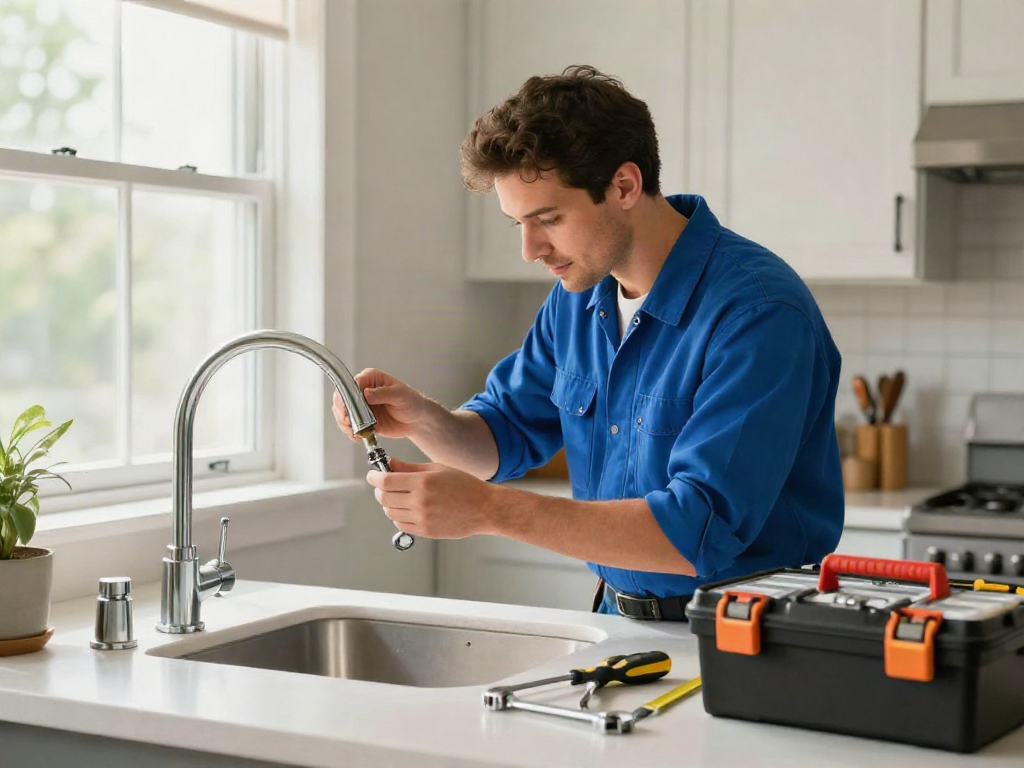
- Plumbing Issues: From burst pipes in winter to leaky faucets year-round, plumbing repairs are a staple service.
- Electrical System Troubles: Aging wiring or faulty outlets can pose safety hazards and require immediate repair.
- Exterior Maintenance: Siding, gutters, and decks require regular upkeep to withstand the elements.
- Foundation Repairs: Cracks in the foundation can lead to significant problems if not addressed promptly.
The Importance of Regular Home Maintenance
Regular home maintenance is crucial to prolonging the life of your home and preventing costly repairs. By proactively addressing small issues before they escalate, homeowners can save money and ensure safety. Routine inspections and maintenance tasks, such as cleaning gutters, checking for leaks, and servicing heating and cooling systems, can significantly reduce the risk of major repairs. Furthermore, investing in regular upkeep can enhance property value, making it essential for homeowners to prioritize maintenance as part of their home management strategy.
Choosing the Right Home Repair Provider
Finding the right home repair provider is a critical decision that impacts the quality of the services received. When selecting a contractor, it’s essential to consider several factors that ensure you are making an informed choice.
Key Qualities to Look For
When searching for a reliable home repair provider, look for these key qualities:
- Experience: Choose a contractor with a proven track record in the specific type of repair needed.
- Licensing and Insurance: Verify that the contractor is licensed and insured to protect yourself from liability.
- Positive Reviews: Check online reviews and testimonials to gauge customer satisfaction.
- Transparent Estimates: A good contractor provides clear and detailed estimates with no hidden fees.
- Communication Skills: Effective communication is vital for understanding your needs and discussing project updates.
Questions to Ask Potential Contractors
Before hiring a contractor, consider asking the following questions to ensure they meet your needs:
- What is your experience with similar repair projects?
- Can you provide references from past clients?
- What is the estimated timeline for completing the repairs?
- How do you handle unexpected issues or cost overruns?
- What warranties or guarantees do you offer on your work?
Understanding Cost Structures in Home Repair
The cost of home repairs can vary significantly based on the type of service and the complexities involved. Understanding the cost structure can help homeowners budget effectively. Here are some pricing factors to consider:
- Labor Costs: This typically represents a significant portion of repair expenses and can vary by region and contractor experience.
- Materials: The quality and type of materials used can greatly influence overall costs.
- Emergency Services: If repairs are needed urgently, expect premium pricing.
- Permitting Fees: Some projects may require permits, adding to the cost.
Common Home Repairs and How to Address Them
Fixing Plumbing Issues Effectively
Plumbing problems are among the most common issues homeowners face. From simple clogs to complex leaks, here's how to effectively address them:
- Identify the source of the problem before calling a plumber. For minor clogs, a plunger or a mixture of baking soda and vinegar may suffice.
- For leaks, shut off the water supply to prevent damage. Inspect exposed pipes for obvious leaks or corrosion.
- Schedule routine plumbing inspections to catch issues early and prevent major repairs down the line.
Addressing Electrical Repairs Safely
Electrical repairs can be dangerous if not handled properly. Here are steps to take:
- Always turn off the power at the circuit breaker before starting any electrical work.
- For flickering lights or tripped breakers, check for overloaded circuits before calling in a professional.
- Ensure all electrical work complies with local codes to maintain safety and reliability.
Window and Door Repairs: Best Practices
Windows and doors are crucial for energy efficiency and security. To maintain them:
- Inspect seals and weatherstripping for signs of wear; replace as needed to prevent drafts.
- Check for any signs of rot or damage in wooden frames and repair or replace promptly.
- Regularly clean tracks and lubricate hinges to ensure smooth operation.
DIY vs Professional Repair Services
Assessing Your Skill Level for Repairs
Before tackling repairs yourself, assess your skill level honestly. While DIY projects can be cost-effective, they may lead to more significant issues if not done correctly. Key considerations include:
- Understanding your limits: Being realistic about what you can handle reduces the chances of costly mistakes.
- Researching the project: Many resources, including videos and articles, can provide guidance for your skill level.
Cost-Benefit Analysis of Hiring Professionals
Analyzing the costs and benefits of hiring professionals versus DIY can help make the best decision. Consider the following:
- Time versus money: If you lack the time to complete a project, hiring a professional may be worth the expense.
- Quality assurance: Professionals often provide quality work with warranties, leading to lower long-term costs.
- Safety concerns: For complex or dangerous repairs, hiring a professional is advisable to avoid injury or further damage.
When to Call in the Experts
Knowing when to bring in a professional can save money and headaches. Key indicators include:
- Repeated issues: If problems return after repairs, it's time to consult an expert.
- Complexity: For tasks beyond your skill set, such as electrical work, it's best to rely on professionals.
- Emergency situations: In cases of flooding or fire hazards, immediate professional intervention is crucial.
Future Trends in Home Repair Services
Emerging Technologies in Home Repair
The future of home repair services is rapidly evolving, driven by technology. Some key trends include:
- Smart Home Integration: As smart home technology expands, repair services will increasingly need to understand and manage these systems.
- 3D Printing: This technology can provide quick fixes for home components, reducing lead times and costs.
- AR and VR Training: Emerging technologies will help train contractors in complex repairs, ensuring better service delivery.
Eco-Friendly Repair Solutions for 2026
With a growing emphasis on sustainability, eco-friendly repair solutions are becoming more prevalent. These might include:
- Using recycled materials in repairs to reduce waste.
- Understanding building practices that enhance energy efficiency.
- Implementing green technologies in home repairs that lower overall environmental footprints.
Predictions for Home Repair Services in Des Moines
As the demand for home repair services continues to grow, several predictions can be made for the Des Moines market:
- Increased use of technology for diagnostics and repairs.
- A rise in DIY resources, coupled with professional guidance, making homeowners more self-sufficient.
- A shift towards more transparent pricing models to build trust among homeowners.
What home repair services are most common in Des Moines?
The most common home repair services in Des Moines include plumbing repairs, electrical work, roof maintenance, and foundation repairs. These needs arise frequently due to the local climate conditions and the aging of homes.
How do I find a reliable home repair contractor?
To find a reliable home repair contractor, ask for recommendations from friends and family, check online reviews, and request quotes from multiple providers to compare services and prices.
What should I expect to pay for home repairs?
Costs can vary widely based on the type of repair, but homeowners can generally expect to pay between $50 to $150 per hour for labor, plus materials, depending on the complexity of the project and the experience of the contractor.
Are there any DIY home repairs I can attempt?
Yes, many homeowners can tackle basic DIY repairs such as fixing leaky faucets, patching small holes in walls, or painting. It’s important to assess your skill level and consult resources before starting.
What are the key benefits of regular home maintenance?
The key benefits of regular home maintenance include preventing costly repairs, enhancing property value, improving safety, and ensuring a comfortable living environment for you and your family.