Understanding Mini Split Systems
Mini split systems are revolutionizing the way we think about home heating and cooling. These compact, ductless air conditioning units offer an efficient and versatile alternative to traditional HVAC systems. As homeowners strive for improved energy efficiency and personalized climate control, the popularity of mini splits continues to grow. When exploring options, mini split solutions provide comprehensive insights that cater to a variety of residential needs.
What is a Mini Split System?
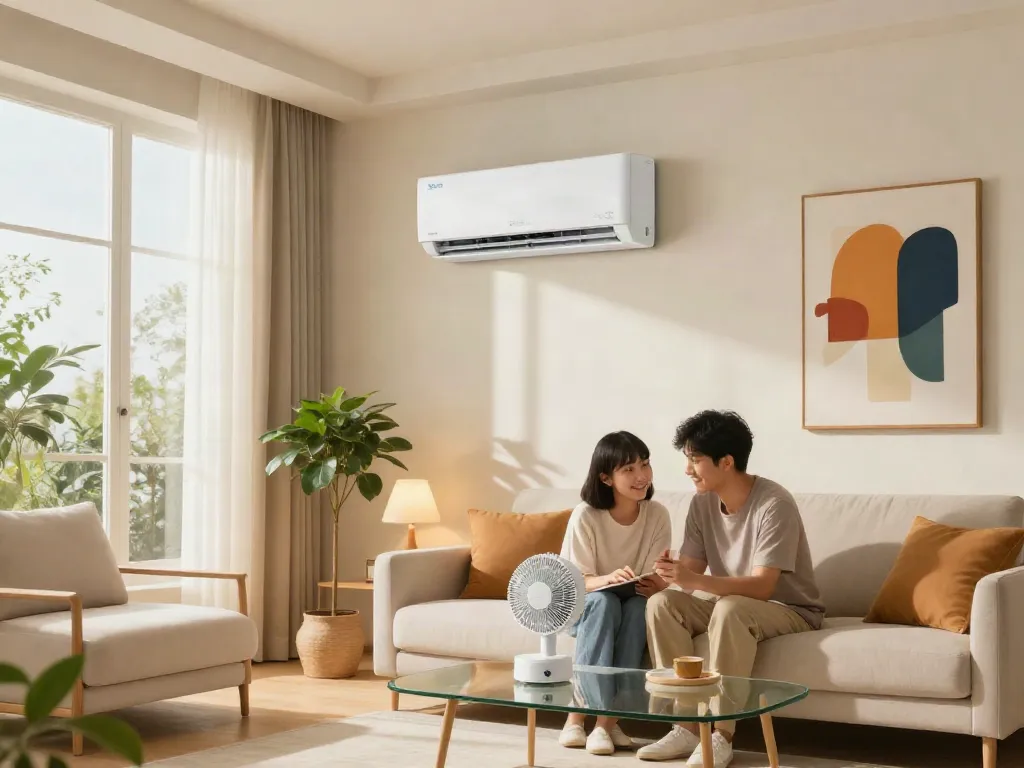
A mini split system, commonly known as a ductless air conditioning system, consists of two main components: an outdoor condenser unit and one or more indoor air handlers. Unlike traditional HVAC systems that rely on ductwork to distribute air, mini splits utilize refrigerant lines that connect the outdoor unit to the indoor units. This design allows for a more flexible installation and enables homeowners to customize their climate control preferences.
How Mini Split Works for Efficient Cooling
The operation of a mini split is quite straightforward. The outdoor unit absorbs heat from the outside air and transfers it to the indoor units using refrigerant. This process allows the mini split to cool or heat your home effectively, depending on the season. One of the standout features of mini splits is their ability to provide zoned temperature control, meaning you can set different temperatures in different rooms according to your comfort levels.
Benefits of Choosing Mini Split Over Traditional HVAC
Choosing a mini split system over a conventional HVAC setup offers several advantages:
- Energy Efficiency: Mini splits generally use less energy than traditional systems, resulting in lower utility bills.
- Reduced Carbon Footprint: By consuming less energy, mini splits contribute to a greener environment.
- Flexible Installation: Without the need for ductwork, mini splits can be installed in various locations throughout a home.
- Enhanced Comfort: Zoned cooling allows for tailored comfort in different areas, catering to individual needs.
Advantages of Mini Split Systems
Energy Efficiency and Cost Savings
One of the most significant advantages of mini split systems is their energy efficiency. Most mini splits come equipped with inverter technology, which adjusts the compressor speed according to the cooling or heating requirements. This not only maintains a consistent temperature but also reduces energy consumption. Homeowners can see substantial savings on their energy bills, making mini splits an attractive long-term investment.
Optimal Comfort Across Multiple Zones
Mini splits excel in providing comfort across multiple zones in a home. Each indoor unit can be controlled independently, allowing different rooms to maintain varying temperatures. This is especially beneficial for large homes or spaces that experience different heating and cooling needs throughout the day.
Quiet Operation for a Peaceful Home
Unlike traditional HVAC systems that can be noisy, mini split systems are designed to operate quietly. The outdoor unit is placed outside the home, while the indoor air handlers produce minimal sound, providing a more tranquil environment for relaxation or productivity. Homeowners often appreciate this feature, especially in bedrooms and quiet spaces.
Installation and Maintenance of Mini Splits
Steps to Install a Mini Split System
Installing a mini split system can be a straightforward process, especially for those who choose a professional installation. Here’s a basic outline of the steps involved:
- Determine the optimal locations for the indoor units.
- Install the outdoor condenser unit, ensuring it's level and properly secured.
- Connect the refrigerant lines and electrical wiring between the indoor and outdoor units.
- Mount the indoor units on the wall or ceiling as needed.
- Test the system to ensure it operates effectively.
Common Maintenance Tips for Longevity
Proper maintenance is essential for the longevity of mini split systems. Consider these tips:
- Regularly clean or replace air filters to ensure optimal airflow.
- Keep the outdoor unit free of debris and vegetation.
- Schedule professional maintenance at least once a year to check refrigerant levels and other components.
Hiring Professionals vs. DIY Installation
While DIY installation of mini splits can save on labor costs, it is crucial to consider the complexities involved. Professional installers have the expertise to ensure the system is set up correctly, which can save time and ensure efficiency. They can also provide valuable advice on the best system configurations for your home.
Cost Considerations for Mini Split Systems
Understanding the Initial Investment
The initial cost of a mini split system can vary significantly based on the brand, size, and number of indoor units. Homeowners should expect to make an upfront investment, typically ranging from $2,000 to $5,000, depending on the complexities of the installation. It's essential to weigh this against the long-term savings on energy bills and the benefits of increased comfort.
Analyzing Long-Term Savings on Energy Bills
While the upfront costs may seem daunting, the long-term savings can be substantial. Energy-efficient mini splits can reduce heating and cooling costs by up to 30% compared to traditional systems. Homeowners should consider these potential savings when evaluating whether to invest in a mini split system.
Financing Options for Homeowners
Many manufacturers and dealers offer financing options for homeowners who wish to spread the cost of purchasing and installing a mini split system over several months or years. Programs may include low-interest loans or deferred payment plans, making it more accessible for households to acquire modern climate control solutions.
Future Trends in Mini Split Technology
Emerging Innovations for 2026 and Beyond
The mini split market is continuously evolving, with new technologies emerging to enhance efficiency and user experience. Trends to watch include improved inverter technology, which allows for even greater energy savings, and systems that integrate with renewable energy sources, such as solar power, enhancing sustainability.
Sustainability Features in Modern Mini Splits
As environmental awareness grows, so does the demand for sustainable appliances. Future mini splits are expected to feature eco-friendly refrigerants and designs that minimize their carbon footprint. Innovations are also likely to emphasize recyclability and sustainable manufacturing processes.
Smart Home Integration with Mini Split Systems
Smart technology integration is becoming a norm in home appliances, and mini splits are no exception. Many modern systems now offer Wi-Fi connectivity, enabling users to control their units from smartphones or smart home hubs, improving convenience and energy management.
What are the disadvantages of a mini split?
While mini splits have many advantages, there are some drawbacks to consider. These include higher upfront costs, potential aesthetic concerns with indoor units, and the need for regular maintenance. However, these factors can be mitigated with informed choices and proper care.
Are mini splits really worth it?
For many homeowners, the advantages of increased energy efficiency, zoning capabilities, and ease of installation make mini splits a worthwhile investment. The overall value comes from the long-term savings and comfort they provide, especially in homes with varying climate control needs.
What does a mini split usually cost?
The cost of a mini split can range based on capacity, brand, and installation specifics. On average, installers estimate costs between $2,000 and $5,000, factoring in the number of zones and any additional features desired.
Do mini splits work in 100 degree weather?
Yes, mini splits work effectively even in extreme heat. Most modern systems are designed to operate efficiently in high temperatures, providing reliable cooling even in extreme weather conditions.
How to choose the right mini split system?
When selecting a mini split system, consider factors such as the size of the space, number of zones, energy efficiency ratings, and your specific heating and cooling needs. Consulting with a professional installer can provide personalized recommendations tailored to your home.